Promoting Excellence in Diabetes Care

Australasian Diabetes Advancements and Technologies Summit

ADATS

Join Us for ADATS 2026! Celebrating 10 Years of Innovation!

Join us for the much-anticipated 10th annual Australasian Diabetes Advancements and Technologies Summit (ADATS) at the Melbourne Exhibition and Convention Centre, leading the way for the upcoming Australian Diabetes Congress.

As we mark a decade of innovation, ADATS 2026 promises an inspiring program featuring renowned international speakers and Australia’s leading experts who will explore the latest advancements and practical applications of diabetes technologies both locally and globally.

Whether you’re new to diabetes care or an experienced professional, this milestone event offers valuable insights for everyone dedicated to improving the lives of people with diabetes—program details to be announced soon.

We’ve begun planning to invite both international and local experts, so keep an eye out for updates in the coming months.
In the meantime, don’t miss the chance to secure the super early bird rate by registering now!
DID YOU MISS ADATS 2024?

Watch ADATS full presentations on your computer, tablet, or smartphone at your own pace.

AUSTRALASIAN DIABETES ADVANCEMENTS & TECHNOLOGIES SUMMIT (ADATS) 

The main topics that are discussed at ADATS include:

  • New therapeutics in diabetes tech
  • CGM Metrics – The new standard
  • Priority populations and technology 
  • Keeping it real

Missed Melbourne? Catch ADATS 2026 Online!
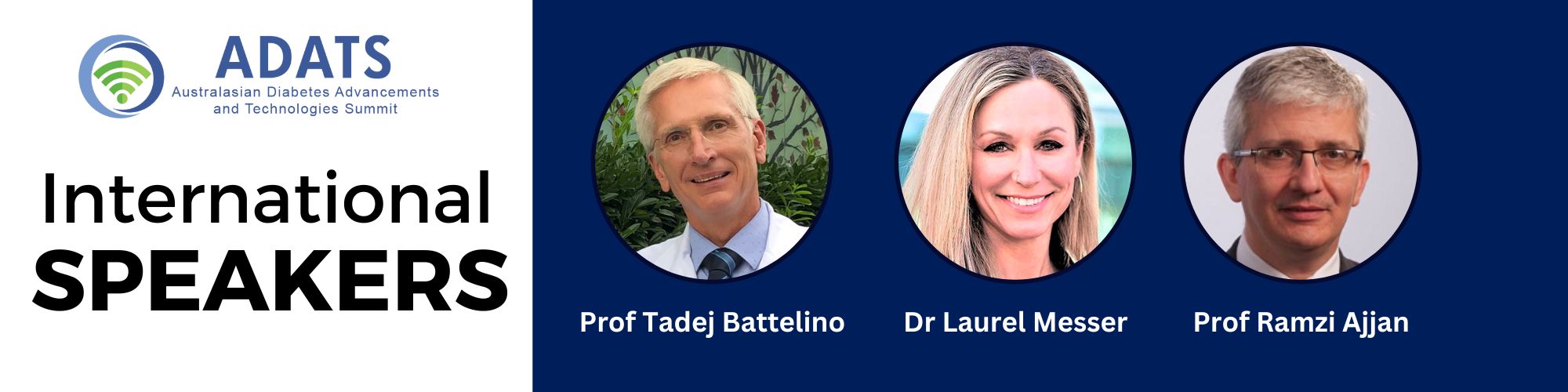
Our Melbourne room is full, and we did not want anyone to miss out. The Australasian Diabetes Advancements and Technologies Summit (ADATS) 2026 will now also be available via livestream on Tuesday, 18 August 2026.

As we celebrate 10 years of ADATS, this milestone event brings together international and leading Australian experts to explore automated insulin delivery, AI and clinical decision support, equity of access, and real-world outcomes in diabetes technology, plus what is on the horizon for diabetes care locally and globally.

Join us virtually for a full day of practical, evidence-based content you can take straight back into your clinic.

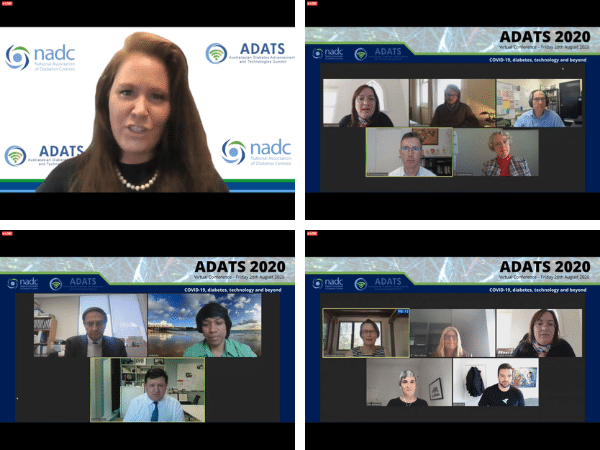
DID YOU MISS ADATS 2024?

Watch ADATS full presentations on your computer, tablet, or smartphone at your own pace.

AUSTRALASIAN DIABETES ADVANCEMENTS & TECHNOLOGIES SUMMIT (ADATS) 

The main topics that are discussed at ADATS include:

  • New therapeutics in diabetes tech
  • CGM Metrics – The new standard
  • Priority populations and technology 
  • Keeping it real

MEET OUR 2026 SPEAKERS

BREAKFAST SESSION

Prof Partha Kar

Closing the Gap: Translating CGM Evidence into Routine Type 2 Diabetes Care

🕒 7:15 – 8:15

Prof David O’Neal

Closing the Gap: Translating CGM Evidence into Routine Type 2 Diabetes Care

🕒 7:15 – 8:15

A/Prof Glynis Ross

Closing the Gap: Translating CGM Evidence into Routine Type 2 Diabetes Care

🕒 7:15 – 8:15

ADATS PLENARY SESSIONS

Prof Colin Dayan

From Biomarkers to Intervention: Using C-peptide and CGM in Early-Stage Type 1 Diabetes

🕒 8:40 – 9:00

Prof Ketan Dhatariya

Driving the Diabetes Revolution with CKM: What HCPs Need to Know About this New Technology

🕒 9:00 – 9:20

A/Prof Greg Forlenza

Start Strong with AID: Rethinking Diabetes Care

🕒 9:20 – 9:40 

Sara Hartnell

Fully Closed Loop: From Research to Reality

🕒 9:40 – 10:00

Dr Tom Wilkinson

Automated Insulin Delivery: Real-World Outcomes and Lessons from the FREEDOM Study

🕒 10:00 – 10:20

Prof Roger Chen

What’s new in insulin therapy

🕒 10:50 – 11:05

A/Prof Sof Andrikopoulos

With more CGMs on the market, what checks and balances do we need?

🕒 11:05 – 11:20

Prof Partha Kar

Equity and Bias in Diabetes AID Technology

🕒 11:20 – 11:35

A/Prof Sybil McAuley

Technology Use in Residential Aged Care Settings

🕒 11:35 – 11:50

Dr Sybil McAuley

Technology Use in Residential Aged Care Settings

🕒 11:35 – 11:50

Prof Partha Kar

Panel Discussion: Access to diabetes tech in Australia – what needs to be done to prevent inequity and what can we learn from other countries?

🕒 12:10 – 1:00

A/Prof Glynis Ross

Panel Discussion: Access to diabetes tech in Australia – what needs to be done to prevent inequity and what can we learn from other countries?

🕒 12:10 – 1:00

Prof Liz Davis

Panel Discussion: Access to diabetes tech in Australia – what needs to be done to prevent inequity and what can we learn from other countries?

🕒 12:10 – 1:00

Dr TomWilkinson

Panel Discussion: Access to diabetes tech in Australia – what needs to be done to prevent inequity and what can we learn from other countries?

🕒 12:10 – 1:00

Prof Julia Mader

Panel Discussion: Access to diabetes tech in Australia – what needs to be done to prevent inequity and what can we learn from other countries?

🕒 12:10 – 1:00

Prof Greg Forlenza

Panel Discussion: Access to diabetes tech in Australia – what needs to be done to prevent inequity and what can we learn from other countries?

🕒 12:10 – 1:00

Dr Kenny Clark

Panel Discussion: Access to diabetes tech in Australia – what needs to be done to prevent inequity and what can we learn from other countries?

🕒 12:10 – 1:00

Prof Revital Nimri

AI & Clinical Decision Support in Diabetes Care

🕒 1:50 – 2:05

Prof Julia Mader

Digital twins – what are they and how do we use them in clinical care

🕒 2:05 – 2:20

Leon Tribe

Travelling, driving and employment with diabetes technology

🕒 2:20 – 2:35

Dr Lori Laffel 

Impaired Executive Function and Use of Diabetes Technologies  

🕒 2:35 – 2:50 

Dr Mary Abraham

Revisiting and redefining hypoglycaemia in the era of diabetes technologies in children with type 1 diabetes

🕒 3:20 – 3:35

Prof David O’Neal

Novel gene therapy for adults with type 1 diabetes? The RESTORE study

🕒 3:20 – 3:35

Prof Jerry Greenfield 

From CGM Data to Predictive Risk Models: Insights into Diabetes and Cardiovascular Outcomes

🕒 3:50 – 4:05

Prof Fernando Bril

The Missing Complication: Integrating Liver Screening into Diabetes Care

🕒 4:05 – 4:20

MEET OUR 2026 SPONSORS

PLATINUM SPONSOR

GOLD SPONSORS

SILVER SPONSOR

BRONZE SPONSOR

TRADE PARTNERS

I would like to receive updates on ADATS 2024

DID YOU MISS ADATS 2023? 

WATCH THE NADC ADATS 2023 ON DEMAND!

Watch ADATS full presentations on your computer, tablet, or smartphone at your own pace.

AUSTRALASIAN DIABETES ADVANCEMENTS & TECHNOLOGIES SUMMIT (ADATS) 

The main topics that are discussed at ADATS include:

  • What’s new in Diabetes Technology
  • The complexities, intricacies, and disparities of diabetes technology
  • Quick bytes Session

VIEW PROGRAM HERE

PAST ADATS

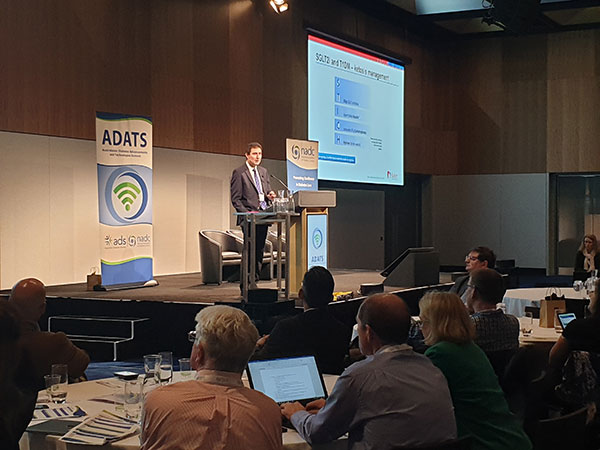
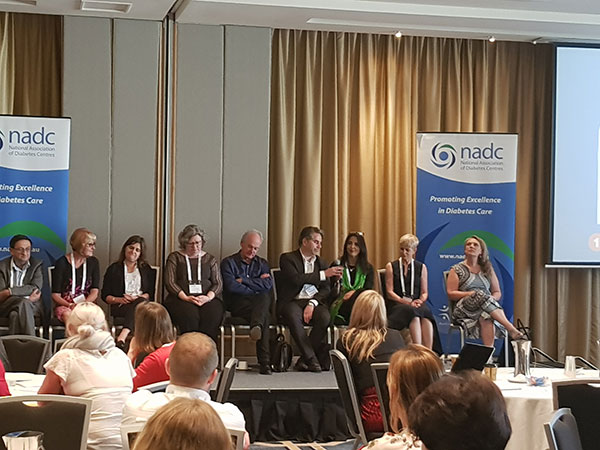
ADATS was launched for healthcare professionals in Australia in 2017, to provide an access to the latest information on diabetes advancements and technologies. The event is the result of the commitment by the NADC to improve the knowledge and skills of healthcare professionals in Australia. ADATS brings together world-leading experts, academics and clinicians with a shared focus and passion in advanced technologies and therapeutics in diabetes.

The event is the result of the commitment of the NADC to improve the knowledge and skills of healthcare professionals in Australia in the area of diabetes and technology.

Dr Partha Kar

Closing the Gap: Translating CGM Evidence into Routine Type 2 Diabetes Care

Biography

Dr. Partha Kar works in the NHS, UK as a Consultant in Diabetes & Endocrinology

He has been national lead for Type 1 Diabetes in the NHS since 2016.

In his NHS England role -over the last decade, he has spearheaded efforts that establish the NHS as a global leader in access to technology for people with Type 1 Diabetes- with one of the highest uptake in CGM and HCL
This has resulted in nationwide improvements in HbA1c levels and reductions in DKA and hypo admissions among T1D patients.

He is a notable user of social media in diabetes care and writes a monthly blog for the British Medical Journal, along with hosting a YouTube channel called ‘Kar- Mic’.

He was awarded an OBE for services to Diabetes care in 2021- and over the last few years- has been working with Breakthrough T1D with a specific focus on improving Type 1 Diabetes care in India.

Prof David O'Neal

Closing the Gap: Translating CGM Evidence into Routine Type 2 Diabetes Care

Biography

Prof David O’Neal is a clinical endocrinologist with an interest in diabetes research.

He is the deputy Director of the Australian Centre for Advancing Diabetes Innovations.

He is also a Professor with The University of Melbourne and a senior consultant endocrinologist with the Department of Endocrinology at St Vincent’s Public Hospital.

He heads the Diabetes Technologies laboratory at the Baker Institute. He has established the Diabetes Technology Research Group in the clinical trials unit with the University of Melbourne Department of Medicine at St. Vincent’s Hospital.

His research interests include investigator initiated clinical trials involving the evaluation of new technologies in the management of patients with diabetes and their interaction with the technology.

He has research collaborations with clinicians, academics, and industry both in Australia and internationally.


A/Prof Glynis Ross

Closing the Gap: Translating CGM Evidence into Routine Type 2 Diabetes Care

Biography

Associate Professor Glynis Ross is a Visiting Endocrinologist at Royal Prince Alfred (RPA) Hospital, and has been in charge of RPA Hospital’s Diabetes and Pregnancy Service since 1991.
Her major interests are diabetes in pregnancy, type 1 diabetes, insulin ump therapy and inpatient diabetes management.

For over 24 years, Associate Professor Ross has served on state, national and international diabetes working parties, particularly in the area of diabetes and pregnancy.
From 2008 to 2010, Associate Professor Ross was President of the Australasian Diabetes in Pregnancy Society (ADIPS), on ADIPS Council from 1991 to 1998 and 2002 to 2012 (including two periods as Treasurer).

Since 2012, Associate Professor Ross has been on the Council of the Australian Diabetes Society (ADS), and is currently the ADS Secretary.

She is currently the co-chair of the state-based Agency for Clinical Innovation (ACI) Diabetes in Pregnancy Working Party and a member of the ACI Endocrine Executive.

She is also the Diabetes in Pregnancy representative on the national Diabetes Expert Advisory Group, and is the Chair of the national Diabetes in Pregnancy Expert Reference Group.

Associate Professor Ross is an author on approximately 25 papers involving diabetes and pregnancy in peer-reviewed journals. She regularly reviews journal articles for publication, particularly in the field of diabetes in pregnancy. She is actively involved in a number of local, national and international clinical studies in the field of diabetes and pregnancy. She is a member of a current Cochrane review being done on foetal biometry for guiding the medical management of gestational diabetes mellitus.

Prof Colin Dayan

From Biomarkers to Intervention: Using C-peptide and CGM in Early-Stage Type 1 Diabetes

Biography

Prof Colin Dayan trained in medicine at University College, Oxford, and Guy’s and Charing Cross Hospitals in London, UK before obtaining a PhD in the immunology of Graves’ Disease in the Laboratory of Marc Feldmann. He then spent a year as an endocrine fellow at the Massachussetts General Hospital in Boston, USA before completing his specialist training in diabetes and endocrinology as a Lecturer in Bristol. In 2010, he was appointed to the Chair of Clinical Diabetes and Metabolism and Head of Section at Cardiff University School of Medicine and in 2020 as part-time Senior Clinical Researcher in the Nuffield Department of Medicine at the University of Oxford.  From 2021-2025 he was Director of the Joint Research Office for Cardiff University and Cardiff and Vale Health Board and he has also served as Secretary and Treasurer of the Association of Physicians of Great Britain and Ireland. In 2026 he was appointed as a 125 Anniversary Chair at the University of Birmingham, UK.

Prof Dayan has a long established interest in translational research in the immunopathology of type 1 diabetes promoting progress to “insulin free T1D”. He has published first-in-man clinical studies on the development of peptide immunotherapy and the use of nanoparticles in T1D as well as pioneering the use of lymph node and injection site sampling to monitor the response to therapy. Since 2015 he has been a leading member of the UKT1D-Research Consortium which has hosted more than 15 clinical trials in early T1D over 30 sites. He is currently leading on novel trial designs including the T1D Plus platform across Europe and Australia to rapidly test combinations of therapies. In collaboration with the Critical Path Institute, he led the TOMI consortium of 21 clinical trials to define the relationship between C-peptide preservation and clinical endpoints and build an FDA/EMA approved clinical trial simulation tool. He is now seeking to define novel endpoints in preclinical T1D as part of the EDENT1FI European programme. Prof Dayan is a committed advocate to finding ways to bring beta cell preservation and delaying the need for insulin therapy into routine clinical practice. In this regard he supported the application for regulatory approval of Tzield to the FDA in 2021 and is working with colleagues to introduce immunotherapy and population screening into the UK.

Prof Ketan Dhatariya

Driving the Diabetes Revolution with CKM: What HCPs Need to Know About this New Technology

Biography

Professor Ketan Dhatariya graduated from the University of London in 1991 and did his diabetes and endocrinology training in London. For 2 years during his training, he was also a part time General Practitioner in the evenings. He took some time out of his training to spend a year doing intensive care medicine and anaesthetics. After he finished his diabetes training in 2001, he went to do a 2 year research fellowship in endocrinology at Mayo Clinic in Minnesota, USA. He was appointed as a consultant in diabetes, endocrinology and general medicine at the Norfolk & Norwich University Hospital in 2004, and Honorary Professor of Medicine at the University of East Anglia in 2019. In 2026 he became Professor of Clinical and Translational Medicine, and Honorary Consultant.  

His predominant areas of interest are inpatient diabetes – in particular peri-operative diabetes care, the management of diabetes related emergencies, and the ‘diabetic foot’. He leads one of the largest foot clinics in the East of England. 

He has several national roles in the UK. He is currently the Chair of the Association of British Clinical Diabetologists and is also the immediate past chair of the Joint British Diabetes Societies Inpatient Care Group where he led or co-authored several national guidelines on the management of various aspects of inpatient diabetes care. He is the Chair of the Examining Board for the UK Specialist Clinical Exam in Diabetes and Endocrinology. He is the Section Co-editor for diabetes for www.endotext.org. He is an Associate Editor of Diabetic Medicine and Diabetologia

Professor Dhatariya has over 240 peer reviewed publications and has published over 20 book chapters on inpatient diabetes, peri-operative diabetes care or on the diabetic foot. He has been named as one of the world’s leading diabetes experts by www.expertscape.com 

A/Prof Greg Forlenza

Start Strong with AID: Rethinking Diabetes Care

Biography

Dr Greg Forlenza is an Associate Professor and Endocrinologist at the Barbara Davis Center for Diabetes, University of Colorado Anschutz Medical Campus. His clinical and research work focuses on type 1 diabetes and diabetes technology, including insulin pumps, continuous glucose monitoring and automated insulin delivery systems.

With more than 15 years experience caring for children and young people with type 1 diabetes, Dr Forlenza is recognised for advancing and evaluating new diabetes technologies. His research explores the feasibility and real-world application of automated insulin delivery systems, with the goal of improving health outcomes and reducing the daily burden of diabetes management for children, young people and their families.

His research has been supported by leading organisations including the National Institutes of Health, Breakthrough T1D, the Leona M. and Harry B. Helmsley Charitable Trust and the National Science Foundation. His current work includes next-generation automated insulin delivery systems designed to make diabetes care safer, more personalised and less demanding.

Sara Hartnell

Fully Closed Loop: From Research to Reality

Biography

Sara Hartnell is Director of Operations at CamDiab, a global leader in advanced automated insulin delivery technologies. She brings over 20 years of experience in diabetes care, research, and digital health innovation, with a strong focus on translating clinical evidence into real-world application.

Sara has contributed to more than 50 publications in closed-loop insulin delivery across a wide range of clinical settings, including type 1 diabetes, pregnancy, and inpatient care. Her work has played a key role in advancing the clinical evidence base supporting hybrid closed-loop systems and their integration into routine diabetes management.

In her current role, Sara leads global operational delivery at CamDiab, overseeing customer support, and strategic partnerships. She works closely with clinical teams, healthcare providers, and industry partners to enable the successful adoption of automated insulin delivery systems and to improve outcomes for people living with diabetes.

Dr Tom Wilkinson

Expanding Access to Automated Insulin Delivery: Real World Outcomes and Lessons from the FREEDOM Study

Biography

Tom is an adult endocrinologist based in Ōtautahi/Christchurch. He works in a variety of public and private settings covering urban and rural populations throughout the South Island. Tom has an interest in diabetes technology and has published clinical trials covering use of various automated insulin delivery systems in type 1 and type 2 diabetes, focussing on next-generation ‘fully closed-loop’ algorithms. Outside of work he enjoys tramping, skiing, landscape photography, and he regularly plays trumpet in the New Zealand Doctors’ Orchestra.

Prof Roger Chen

What's new in insulin therapy

Biography

Roger Chen is Senior Staff Endocrinologist at St Vincent’s Hospital, Sydney.  He is Conjoint Professor in Medicine at the University of New South Wales, Head of the Endocrinology Stream, The Rebecca Cooper Foundation and Editor-in-Chief, Endocrinology Today and Senior Editor of Endocrinology, Diabetes and Metabolism Case Reports.    

Roger’s research interests are in diabetes in vulnerable populations such as those with mental illness, diabetes in older individuals and in transplant related endocrine disorders.  He has been Medical Lead in the Metabolic Clinic in Mental Health and is now endocrinologist at the Heart Lung Transplant Service at St Vincent’s Hospital.  

He was lead author of the Australian Diabetes Society’s (ADS) Position Statement on Mental Illness and Diabetes and is a member of the ADS Education Advisory Group.

A/Prof Sof Andrikopoulos

With more CGMs on the market, what checks and balances do we need?

Biography

Dr Andrikopoulos is the group CEO of the Australian Diabetes Society and has previously served as President, Treasurer and Chair of the Program Organising Committee. Prior to this, he was Head of the Islet Biology and Metabolism Research Group at the University of Melbourne. He has received a NHMRC Award for Research Excellence as well as a Diabetes Australia Research Trust Millennium Award, and has published more than 160 research articles in the aetiology and management of type 2 diabetes.

Dr Partha Kar

Equity and Bias in Diabetes AID Technology

Biography

Dr. Partha Kar works in the NHS, UK as a Consultant in Diabetes & Endocrinology

He has been national lead for Type 1 Diabetes in the NHS since 2016.

In his NHS England role -over the last decade, he has spearheaded efforts that establish the NHS as a global leader in access to technology for people with Type 1 Diabetes- with one of the highest uptake in CGM and HCL
This has resulted in nationwide improvements in HbA1c levels and reductions in DKA and hypo admissions among T1D patients.

He is a notable user of social media in diabetes care and writes a monthly blog for the British Medical Journal, along with hosting a YouTube channel called ‘Kar- Mic’.

He was awarded an OBE for services to Diabetes care in 2021- and over the last few years- has been working with Breakthrough T1D with a specific focus on improving Type 1 Diabetes care in India.

A/Prof Sybil McAuley

Technology Use in Residential Aged Care Settings

Biography

Associate Professor Sybil McAuley is an adult endocrinologist and clinical researcher specialising in type 1 diabetes. She leads the multidisciplinary Type 1 Diabetes Clinical Service at the Alfred in Melbourne, together with a clinical research program at Monash University’s School of Public Health and Preventive Medicine. During her PhD and post- doctoral research at the University of Melbourne, Sybil undertook world-first clinical trials in diabetes technology and exercise, with findings incorporated into international recommendations.

Her research interests include therapeutic technology, driving, healthy longevity, and psychosocial wellbeing. Sybil’s research has been recognised with national and international awards, including the 2025 ADS Ranji and Amara Wikramanayake Award.

She contributes to physician training supervision, national diabetes educational workshops,
and serves on Victoria’s Department of Transport Expert Peer Review Panel.

Dr Partha Kar

Panel Discussion: Access to diabetes tech in Australia – what needs to be done to prevent inequity and what can we learn from other countries?

Biography

Dr. Partha Kar works in the NHS, UK as a Consultant in Diabetes & Endocrinology

He has been national lead for Type 1 Diabetes in the NHS since 2016.

In his NHS England role -over the last decade, he has spearheaded efforts that establish the NHS as a global leader in access to technology for people with Type 1 Diabetes- with one of the highest uptake in CGM and HCL
This has resulted in nationwide improvements in HbA1c levels and reductions in DKA and hypo admissions among T1D patients.

He is a notable user of social media in diabetes care and writes a monthly blog for the British Medical Journal, along with hosting a YouTube channel called ‘Kar- Mic’.

He was awarded an OBE for services to Diabetes care in 2021- and over the last few years- has been working with Breakthrough T1D with a specific focus on improving Type 1 Diabetes care in India.

A/Prof Glynis Ross

Panel Discussion: Access to diabetes tech in Australia - what needs to be done to prevent inequity and what can we learn from other countries?

Biography

Associate Professor Glynis Ross is a Visiting Endocrinologist at Royal Prince Alfred (RPA) Hospital, and has been in charge of RPA Hospital’s Diabetes and Pregnancy Service since 1991.
Her major interests are diabetes in pregnancy, type 1 diabetes, insulin ump therapy and inpatient diabetes management.

For over 24 years, Associate Professor Ross has served on state, national and international diabetes working parties, particularly in the area of diabetes and pregnancy.
From 2008 to 2010, Associate Professor Ross was President of the Australasian Diabetes in Pregnancy Society (ADIPS), on ADIPS Council from 1991 to 1998 and 2002 to 2012 (including two periods as Treasurer).

Since 2012, Associate Professor Ross has been on the Council of the Australian Diabetes Society (ADS), and is currently the ADS Secretary.

She is currently the co-chair of the state-based Agency for Clinical Innovation (ACI) Diabetes in Pregnancy Working Party and a member of the ACI Endocrine Executive.

She is also the Diabetes in Pregnancy representative on the national Diabetes Expert Advisory Group, and is the Chair of the national Diabetes in Pregnancy Expert Reference Group.

Associate Professor Ross is an author on approximately 25 papers involving diabetes and pregnancy in peer-reviewed journals. She regularly reviews journal articles for publication, particularly in the field of diabetes in pregnancy. She is actively involved in a number of local, national and international clinical studies in the field of diabetes and pregnancy. She is a member of a current Cochrane review being done on foetal biometry for guiding the medical management of gestational diabetes mellitus.

Prog Liz Davis

Panel Discussion: Access to diabetes tech in Australia - what needs to be done to prevent inequity and what can we learn from other countries?

Biography

Professor Elizabeth Davis has had a career of integrating clinical care and diabetes research with the goal of improving outcomes for youth with diabetes. She is Head of the Department of Endocrinology at Perth Children’s Hospital (PCH) and co-directs the Children’s Diabetes Centre, a JDRF global centre of excellence, at the Kids Research Institute Australia. Professor Davis is a past President of the Australasian Paediatric Endocrine Group. She currently leads the Australasian hub of SWEET, an international paediatric diabetes initiative with the goal of improving outcomes for children with diabetes globally.

Dr TomWilkinson

Panel Discussion: Access to diabetes tech in Australia - what needs to be done to prevent inequity and what can we learn from other countries?

Biography

Tom is an adult endocrinologist based in Ōtautahi/Christchurch. He works in a variety of public and private settings covering urban and rural populations throughout the South Island. Tom has an interest in diabetes technology and has published clinical trials covering use of various automated insulin delivery systems in type 1 and type 2 diabetes, focussing on next-generation ‘fully closed-loop’ algorithms. Outside of work he enjoys tramping, skiing, landscape photography, and he regularly plays trumpet in the New Zealand Doctors’ Orchestra.

Prof Julia Mader

Panel Discussion: Access to diabetes tech in Australia – what needs to be done to prevent inequity and what can we learn from other countries?

Biography

Julia Mader is Full Professor of Diabetes Technology at Medical University of Graz and Deputy Head of the Diabetes Outpatient Clinic. She graduated at Medical University of Graz where she also trained in Internal Medicine and Endocrinology. She was Visiting Professor at the University Hospital of Bern, Switzerland (2016-2017). She leads the Diabetes Technology Research Unit at Medical University of Graz. Her research focuses on diabetes technology (insulin pumps, continuous glucose monitoring, automated insulin delivery system, diabetes management in the hospital and decision support systems). She has published over 230 peer-reviewed scientific papers. She has received several national and international awards.

She is honorary secretary and board member of the Austrian Diabetes Society and is executive board member of the EASD and chairs EASD’s Training and Education Committee.

Prof Greg Forlenza

Panel Discussion: Access to diabetes tech in Australia – what needs to be done to prevent inequity and what can we learn from other countries?

Biography

Dr Greg Forlenza is an Associate Professor and Endocrinologist at the Barbara Davis Center for Diabetes, University of Colorado Anschutz Medical Campus. His clinical and research work focuses on type 1 diabetes and diabetes technology, including insulin pumps, continuous glucose monitoring and automated insulin delivery systems.

With more than 15 years experience caring for children and young people with type 1 diabetes, Dr Forlenza is recognised for advancing and evaluating new diabetes technologies. His research explores the feasibility and real-world application of automated insulin delivery systems, with the goal of improving health outcomes and reducing the daily burden of diabetes management for children, young people and their families.

His research has been supported by leading organisations including the National Institutes of Health, Breakthrough T1D, the Leona M. and Harry B. Helmsley Charitable Trust and the National Science Foundation. His current work includes next-generation automated insulin delivery systems designed to make diabetes care safer, more personalised and less demanding.

Dr Kenny Clark

Panel Discussion: Access to diabetes tech in Australia – what needs to be done to prevent inequity and what can we learn from other countries?

Biography

Dr Kenny Clark emigrated to Australia in 2008 from Scotland. He has had type 1 diabetes since he was 15yrs old, but despite this setback he is still very proud that he represented his country at the highest level in competitive swimming. He graduated from Glasgow University in 2007 then moved to Townsville in Northern Queensland. He then gained his GP fellowship in 2015 and then opened The Diabetic GP Clinic the following year. Over the next 10 years he gained further qualifications with a high distinction grade for his MSc in Diabetes in Primary Care. The clinic celebrated 10 years of operations this year and is very proud to be awarded the only primary care centre of excellence in Australia from the National Association of Diabetes Centres.

Prof Revital Nimri

AI & Clinical Decision Support in Diabetes Care

Biography

Prof Julia Mader

Digital twins – what are they and how do we use them in clinical care

Biography

Julia Mader is Full Professor of Diabetes Technology at Medical University of Graz and Deputy Head of the Diabetes Outpatient Clinic. She graduated at Medical University of Graz where she also trained in Internal Medicine and Endocrinology. She was Visiting Professor at the University Hospital of Bern, Switzerland (2016-2017). She leads the Diabetes Technology Research Unit at Medical University of Graz. Her research focuses on diabetes technology (insulin pumps, continuous glucose monitoring, automated insulin delivery system, diabetes management in the hospital and decision support systems). She has published over 230 peer-reviewed scientific papers. She has received several national and international awards. She is honorary secretary and board member of the Austrian Diabetes Society and is executive board member of the EASD and chairs EASD’s Training and Education Committee.

Leon Tribe

Travelling, driving and employment with diabetes technology

Biography

Leon Tribe is a passionate diabetes advocate, writer, and active researcher based in Sydney, Australia. With lived experience of diabetes, he is committed to improving understanding of the condition by providing clear, accessible explanations of diabetes, its management, and emerging research to both people living with diabetes and healthcare professionals. Leon’s research focuses on the application of technology to diabetes care, and motivational models drawn from the corporate world to diabetes management.

Leveraging his professional background in information technology and consultancy, alongside a first-class honours degree in physics, and an MBA in strategy and leadership, he works to empower individuals and clinicians with practical tools and insights to improve outcomes.

His advocacy and contributions have been recognised through his involvement with the Diabetes Australia Community Advisory Council and the Australasian Type 1 Diabetes Immunotherapy Collaborative (ATIC) Community Engagement Panel, as well as programs such as #dedoc° Voice Scholarships.

He is also a board member of Insulin for Life. Leon is an accomplished communicator, having been published in journals including The Lancet and Diabetes Management Journal, and regularly presents at international conferences such as ATTD.

Driven by a desire to combat misinformation and stigma, Leon sees his work as critical in ensuring people with diabetes have access to accurate information and the support needed to live healthy, fulfilling lives.

Dr Lori Laffel

Impaired Executive Function and Use of Diabetes Technologies

Biography

Lori Laffel, MD, MPH, is a Professor of Pediatric at Harvard Medical School and Chief of the Pediatric, Adolescence, and Young Adult Section at  Joslin Diabetes Center.

She received her doctorate from the University of Miami School of Medicine and completed her residency at Children’s Hospital in Boston.

Dr Mary Abraham

Revisiting and redefining hypoglycaemia in the era of diabetes technologies in children with type 1 diabetes

Biography

Dr Abraham is a clinician-researcher in type 1 diabetes, with expertise in diabetes technology, hypoglycaemia, and clinical trials.

As a Consultant Paediatric Endocrinologist at Perth Children’s Hospital, Theme Lead for Technology Research at the Children’s Diabetes Centre at The Kids Research Institute and Associate Clinical Professor at The University of Western Australia, she combines clinical practice with an active research program focused on improving outcomes for children and young people with diabetes.

She has led several clinical trials evaluating continuous glucose monitoring and automated insulin delivery systems, generating evidence that has informed clinical practice and supported the integration of these technologies into routine care.

Prof David O’Neal

Novel gene therapy for adults with type 1 diabetes? The PROGRESS study

Biography

Dr. Partha Kar works in the NHS, UK as a Consultant in Diabetes & Endocrinology

He has been national lead for Type 1 Diabetes in the NHS since 2016.

In his NHS England role -over the last decade, he has spearheaded efforts that establish the NHS as a global leader in access to technology for people with Type 1 Diabetes- with one of the highest uptake in CGM and HCL
This has resulted in nationwide improvements in HbA1c levels and reductions in DKA and hypo admissions among T1D patients.

He is a notable user of social media in diabetes care and writes a monthly blog for the British Medical Journal, along with hosting a YouTube channel called ‘Kar- Mic’.

He was awarded an OBE for services to Diabetes care in 2021- and over the last few years- has been working with Breakthrough T1D with a specific focus on improving Type 1 Diabetes care in India.

Prof Jerry Greenfield

From CGM Data to Predictive Risk Models: Insights into Diabetes and Cardiovascular Outcomes

Biography

Professor Jerry Greenfield is an endocrinologist with primary clinical and research interests in the fields of type 1 and type 2 diabetes, insulin resistance, and obesity. He also has significant experience in treating other endocrine conditions, including thyroid disease and osteoporosis. Professor Greenfield is Head of Department of Endocrinology and Diabetes Services at St Vincent’s Hospital, and a Consultant Endocrinologist at St Vincent’s Private Hospital.

Professor Greenfield is a Laboratory Head and Faculty Member at Victor Chang Cardiac Research Institute, and Professor, St Vincent’s Clinical Campus, School of Clinical Medicine, University of New South Wales. He has published over 200 peer-reviewed research papers in national and international medical journals.

Dr Fernando Bril

The Missing Complication: Integrating Liver Screening into Diabetes Care

Biography

Dr. Bril is currently an Assistant Professor and Associate Scientist in the Division of Endocrinology, Diabetes and Metabolism at the University of Alabama at Birmingham (UAB). He completed medical school and 4 years of internal medicine residency at Instituto Universitario CEMIC in Buenos Aires, Argentina. He then completed internal medicine residency and endocrinology fellowship at University of Alabama at Birmingham. Despite his relatively early career, he has >100 publications in the field of MASLD, obesity and type 2 diabetes. He was part of the steering committee of the recent American Gastroenterological Association’s 2026 MASLD Clinical Care Pathway update. He was awarded the Early career award from The Obesity Society and Endocrine Society.

GOLD SPONSOR: AMSL DEXCOM

AMSL Diabetes, a Dexcom company distribute the Dexcom Continuous Glucose Monitoring (CGM) Systems, Tandem Insulin Pumps, Glooko diabetes management software and HypoPak fast acting glucose kits.

For over 20 years we’ve given thousands of people the tools and support they need to improve their quality of life. For more information on our product range, please visit our trade display

🌐https://dexcom.com.au

GOLD SPONSOR: ABBOTT

At Abbott, we’re dedicated to helping people live more fully, in everything we do. We’re creating the future of healthcare through life-changing technologies and products that make you healthier and stronger, quickly identify when you have a medical need, and treat conditions to help you get back to doing what you love.

With headquarters in north suburban Chicago, we serve people in more than 160 countries with leading medical devices, diagnostics, nutrition products and branded generic medicines. Our 113,000 colleagues are helping millions of people to live better and healthier, every day around the world.

🌐https://www.aus.abbott/

GOLD SPONSOR: NOVONORDISK

Novo Nordisk A/S is a leading global healthcare company, founded in 1923 and headquartered in Denmark.

Our purpose is to drive change to defeat serious chronic diseases, built upon our heritage in diabetes. We do so by pioneering scientific breakthroughs, expanding access to our medicines, and working to prevent and ultimately cure disease. Novo Nordisk A/S employs about 61,400 people in 80 countries and markets its products in around 170 countries.

Novo Nordisk A/S recognizes the significant value of working in partnership with patients, policymakers,
healthcare professionals and non-governmental organizations to understand priority areas and provide help where it is needed most.

🌐 https://www.novonordisk.com.au/

GOLD SPONSOR: SANOFI

Sanofi is an R&D-driven, AI-powered biopharma company committed to improving people’s lives and delivering compelling growth. We apply our deep understanding of the immune system to invent medicines and vaccines that treat and protect millions of people around the world, with an innovative pipeline that could benefit millions more. Our team is guided by one purpose: we chase the miracles of science to improve people’s lives; this inspires us to drive progress and deliver positive impact for our people and the communities we serve, by addressing the most urgent healthcare, environmental, and societal challenges of our time.

🌐 https://www.sanofi.com/en/australia

GOLD SPONSOR: MYLIFE DIABETESCARE

mylife diabetes care Australia is dedicated to improving the lives of Australians living with diabetes through innovative, integrated diabetes management solutions. Backed by more than 40 years of Swiss innovation in insulin therapy, we combine advanced medical
devices with digital technologies to deliver personalised automated insulin delivery (AID)
systems designed to simplify diabetes management and empower people to live with greater confidence, flexibility and freedom.

Driven by purpose and designed with care, our solutions support Australians living with
diabetes in navigating everyday life with greater peace of mind and control. From intuitive insulin pump technology to connected digital health solutions, we are focused on delivering seamless, user-centred experiences that support both physical and emotional wellbeing across all stages of life.

Working closely with people living with diabetes, healthcare professionals and partners
across Australia and around the world, the mylife Diabetes Care team is committed to
delivering trusted technologies, personalised support and meaningful innovation tailored
to the needs of the local diabetes community. Through collaboration, education and
continuous advancement, we continue to help shape the future of diabetes care and
improve outcomes for Australians living with diabetes. Discover more about our diabetes
management solutions at https://www.mylife-diabetescare.com/en-AU/

TRADE PARTNER: INSULET & OMNIPOD

Meet Insulet & Omnipod® 5

Insulet Corporation, headquartered in Massachusetts, USA, is an innovative medical device company dedicated to simplifying life for people with diabetes through its Omnipod® product platform. The Omnipod® Insulin Management System provides a unique alternative to traditional insulin delivery methods. With its simple, wearable design, the tubeless disposable Pod provides up to three days of non-stop insulin delivery, without the need to see or handle a needle.Insulet’s flagship innovation, the Omnipod® 5 Automated Insulin Delivery System, integrates with a choice of continuous glucose monitor to manage blood sugar with no multiple daily injections, zero fingersticks, and can be controlled by the Omnipod 5 Controller (a phone-like device).

For more information, visit omnipod.com and request a call back from one of our Omnipod® 5 Product Specialists.

🌐 https://www.omnipod.com/

GOLD SPONSOR: SANOFI

Sanofi. We are an innovative global healthcare company, driven by one purpose: we chase the miracles of science to improve people’s lives. Our team, across some 100 countries, is dedicated to transforming the practice of medicine by working to turn the impossible into the possible. We provide potentially life-changing treatment options and life-saving vaccine protection to millions of people globally, while putting sustainability and social responsibility at the centre of our ambitions.

Scientific discoveries don’t happen overnight or without hard work. But our determination to find answers for patients motivates us to develop breakthrough medicines and vaccines. And to never settle.

Learn more at sanofi.com.au.

very day around the world.

🌐 https://www.sanofi.com/en/australia

GOLD SPONSOR: YPSOMED

Ypsomed Australia is the Australian affiliate of Ypsomed AG, a Swiss-based company with a deep heritage in the development and manufacture of infusion and injection systems for self-medication, including insulin therapy. With over 40 years’ experience in bringing insulin-delivery devices to market.

Ypsomed understands the challenges people on insulin therapy face in their everyday life, and is committed to making a difference through the design and delivery of high quality innovative & intuitive products and services that aim to make life with diabetes easier.

🌐 https://www.ypsomed.com/en-AU/

Dr Liz Holmes - Truscott

From burden to belonging: Exploring the psychosocial impacts of diabetes tech.

Biography

Dr Elizabeth Holmes-Truscott is Deputy Director of the Australian Centre for Behavioural Research in Diabetes (a partnership between Diabetes Victoria and Deakin University), Behavioural Platform lead for the Australian Centre for Accelerating Diabetes Innovations Research Centre, and co-lead of the End Diabetes Stigma International Consensus and Global Summit. Elizabeth leads a program of applied research examining psychosocial aspects of diabetes, including a focus on understanding and reducing diabetes stigma and other barriers to optimal self-care.

She advocates for community involvement in all stages of research and the assessment of person-reported outcomes and experiences alongside biomedical markers.

Session Description

Original title: One size does not fit all – the mental burden of diabetes tech.
Suggested title: From burden to belonging: Exploring the psychosocial impacts of diabetes tech.

Revised title incorporates both the psychological and social impacts of diabetes tech, along with benefits and burdens.

The presentation will evidence the need for person-centered and empathic care, highlight the importance of exploring person-reported outcomes and experiences of tech, and discuss the role of tech in reinforcing or addressing diabetes stigma and discrimination (e.g. via visibility)

SILVER SPONSOR: AIR LIQUIDE HEALTHCARE PT LTD

Air Liquide Healthcare Pty Ltd was established in 1995 and is a leading supplier of homecare services, including medical equipment & gases in Australia. Our extended network for homecare presently serves tens of thousands of home oxygen, sleep apnea and diabetes patients across Australia. Globally, Air Liquide Healthcare supports over 40,000 patients with diabetes through the provision of equipment and related support and clinical services. Air Liquide Healthcare is absolutely committed to the patient and to delivering both patients and health providers with high-quality products and services.

🌐 https://au.healthcare.airliquide.com

TRADE PARTNER: HEALTH2SYNC

Health2Sync is a digital health solution provider dedicated to improving metabolic health management through data-driven care. For over 10 years, the Health2Sync Clinician Platform has supported more than 1,500 healthcare partners by streamlining data integration, enhancing workflow, and reducing the administrative burden for care teams.

Meanwhile, the Health2Sync Mobile App has empowered over 1.6 million users worldwide to effortlessly sync a wide range of health metrics and take greater control of their self-management.

🌐https://www.health2sync.com/

TRADE PARTNER: MEDTRONIC

Bold thinking. Bolder actions. We are Medtronic.

We lead global healthcare technology and boldly attack the most challenging health problems facing humanity by searching out and finding solutions. Our Mission — to alleviate pain, restore health, and extend life — unites a global team of 90,000+ passionate people. Powered by our diverse knowledge, insatiable curiosity, and desire to help all those who need it, we deliver innovative technologies that transform the lives of two people every second, every hour, every day. Expect more from us as we empower insight-driven care, experiences that put people first, and better outcomes for our world. In everything we do, we are engineering the extraordinary.

🌐 https://www.medtronic.com/au-en/index.html